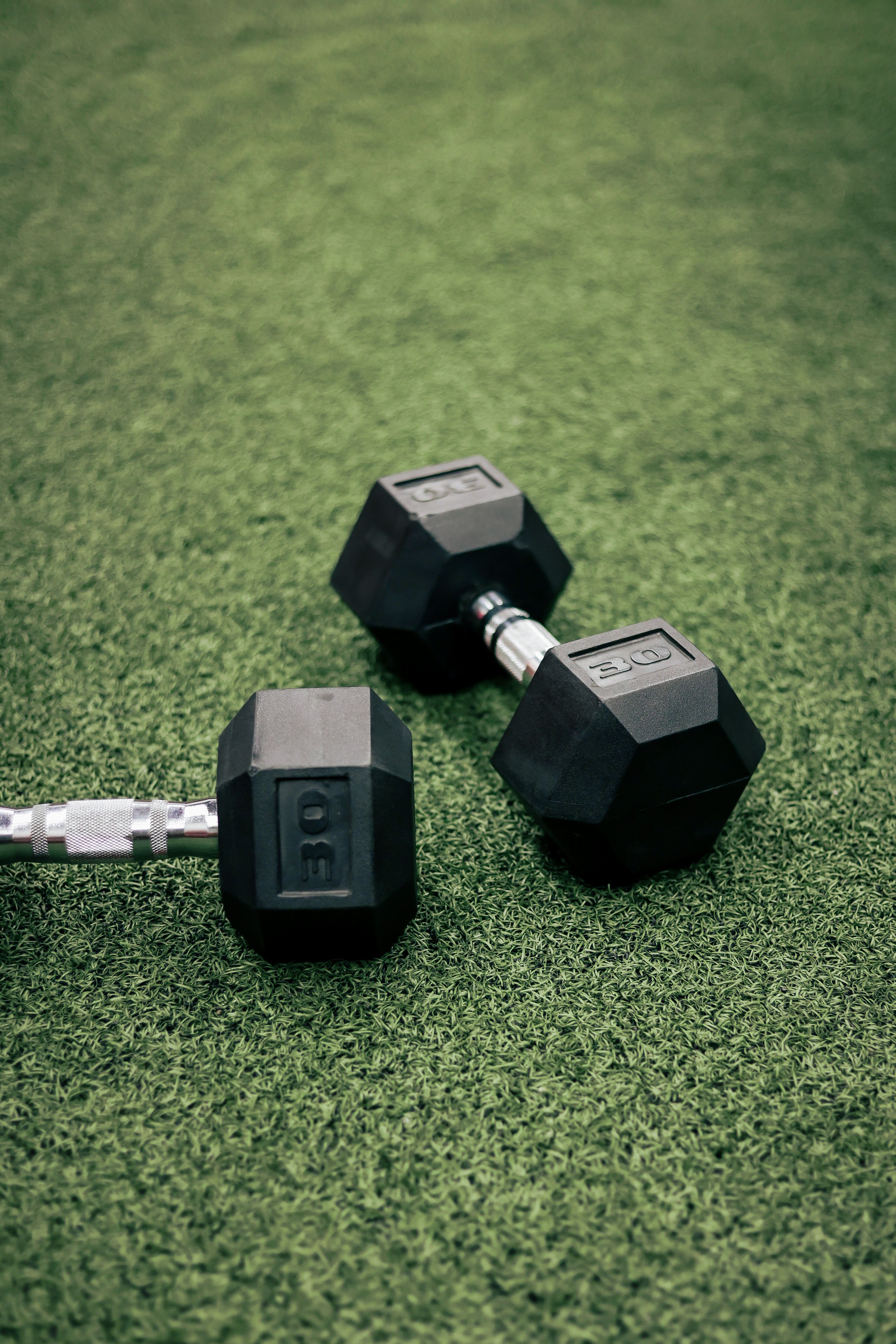
If you've ever wondered why your body stopped changing even though you "still work out," the answer is almost always the same: nothing about your training got harder.
That's not a criticism — it's just physics. Your muscles adapt to what you ask of them. Once they've adapted, the same workout maintains but no longer builds. The way out of that plateau is the single most important principle in all of strength training, and it has a fancy name for a simple idea: progressive overload.
What progressive overload actually means
Progressive overload just means asking slightly more of your body over time. More weight, more reps, better range of motion, less rest — any of these count. The "progressive" part is the key: change that's gradual and consistent, not dramatic.
Here's the mistake most people make: they try to add weight every single session, burn out or get hurt in week three, and quit. Real progression looks almost boring. You add a rep here, five pounds there, and mostly you just show up.
Three simple ways to progress
1. Reps first, weight second. If a set calls for 8–12 reps, work at the bottom of that range with your current weight. Each week, try to add a rep. When you hit the top of the range on every set, increase the weight slightly and drop back down. That's it. That's the whole system.
2. Track something — anything. You cannot progress what you don't remember. It doesn't need to be an app or a spreadsheet; notes on your phone work fine. "Goblet squat: 35 lb × 10" from three weeks ago is the data that tells you today's target.
3. Let form count as progress. A deeper squat with the same weight is real overload. A slower, controlled eccentric is real overload. If you're newer to training, the first eight weeks of progress often come from technique, not load — and that's a win, not a consolation prize.
How fast should you progress?
Slower than you think. For most people, most of the time, adding reps week to week and weight every few weeks is plenty. Women in particular often progress beautifully on this rhythm — strength gains come in waves, and some weeks the win is just holding your numbers while life is chaotic.
What this looks like in real life
Say your program calls for Romanian deadlifts at 8–10 reps. Week one: 40 lb × 8. Week two: 40 lb × 9. Week three: 40 lb × 10 on all sets. Week four: 45 lb × 8. You've added weight without ever doing anything dramatic, and in three months that compounding arithmetic is the difference between "I lift sometimes" and "I'm genuinely strong."
This is exactly how the programs in the membership are built — every workout tells you where you were, and the reps tell you where to aim next. You don't have to design the progression. You just have to log it and lean in.
The plateau isn't a sign that training stopped working. It's a sign it worked so well your body is ready for the next, slightly harder question.